
Find the exact card first
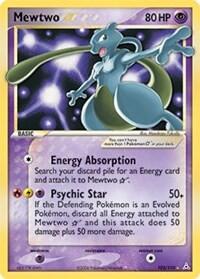
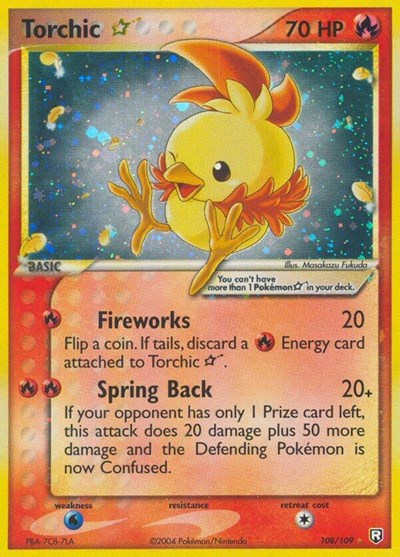
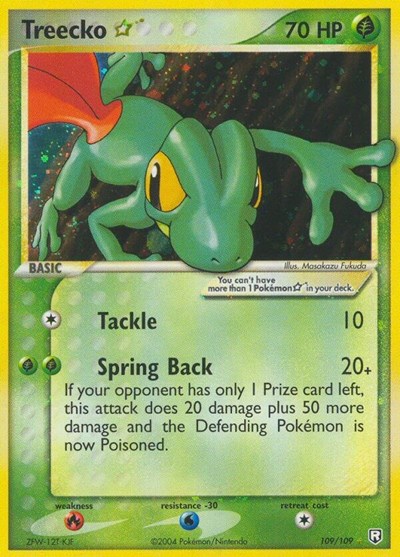
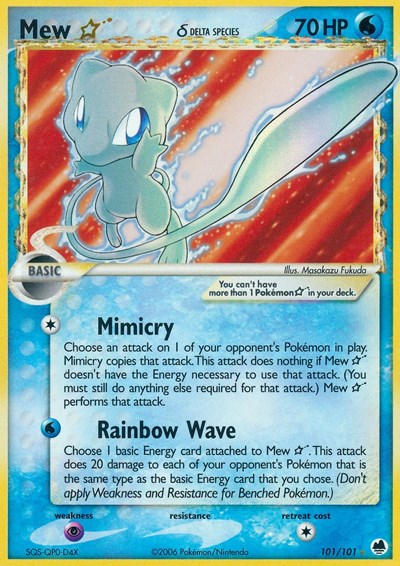
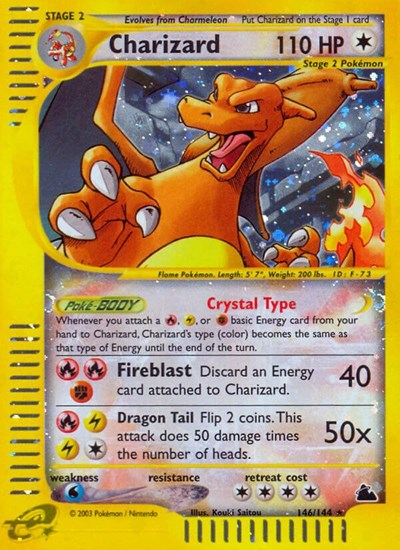
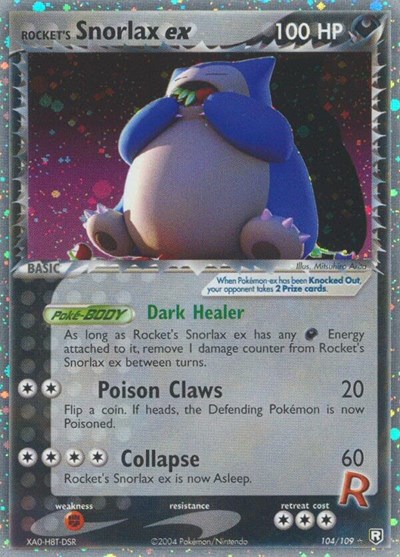
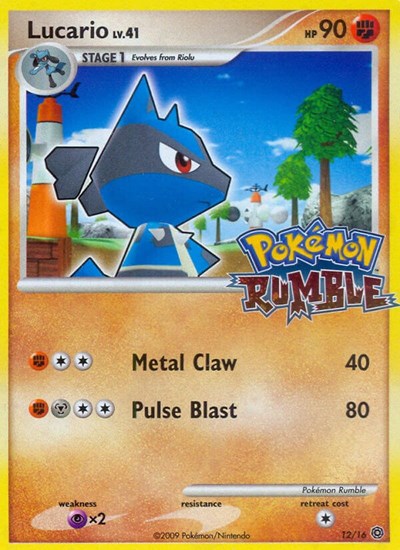
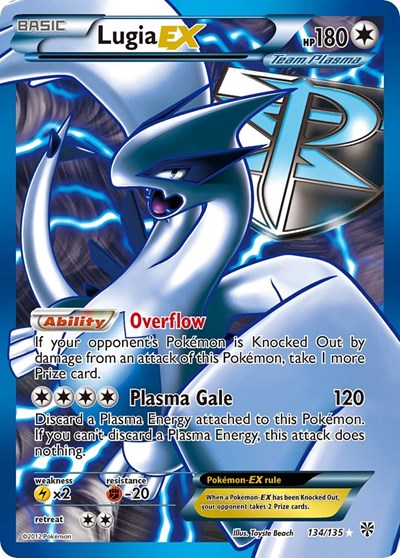
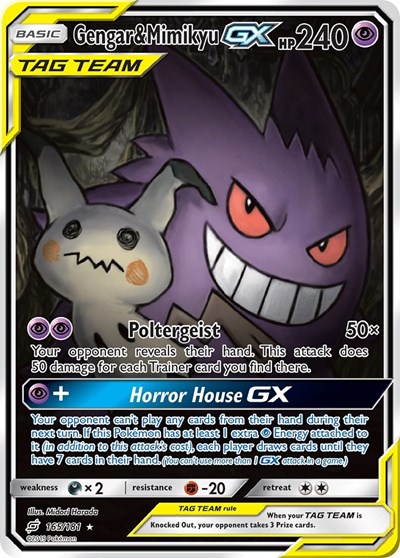
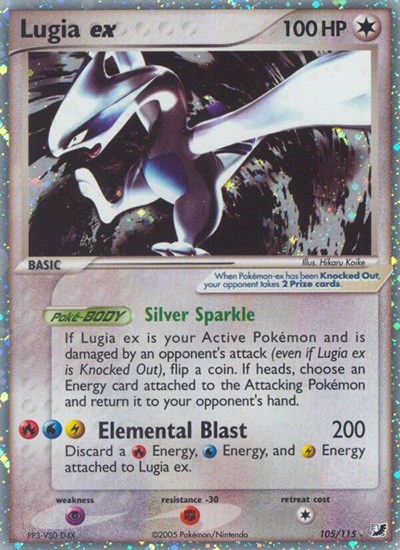
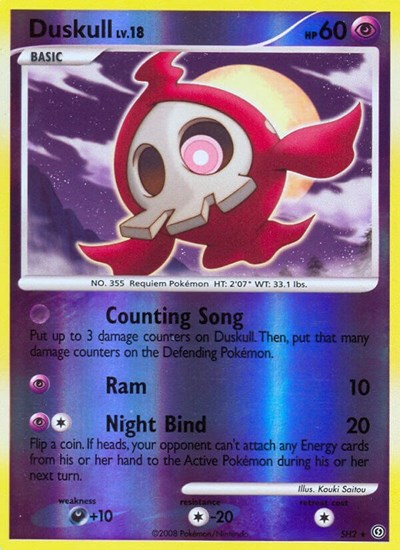
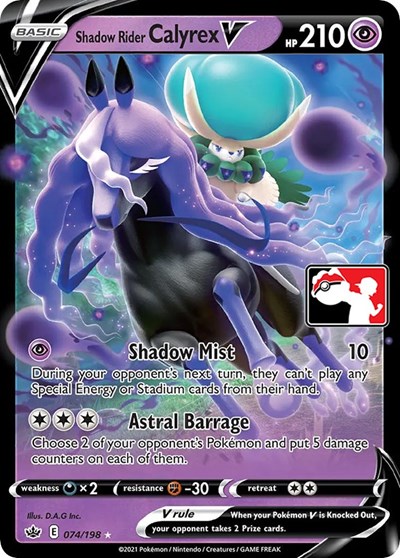
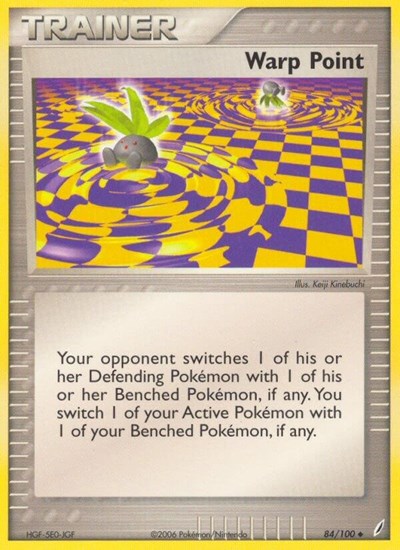
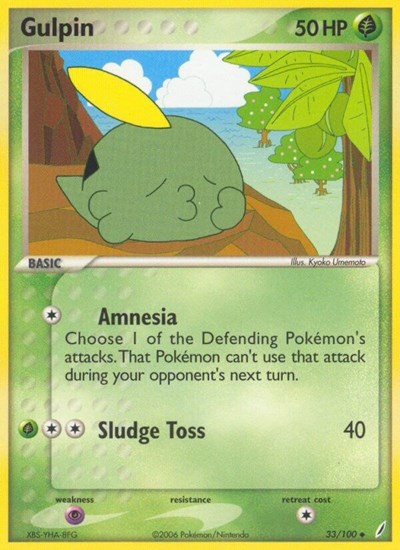
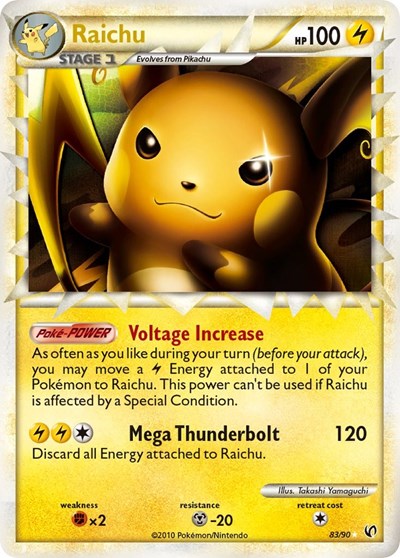
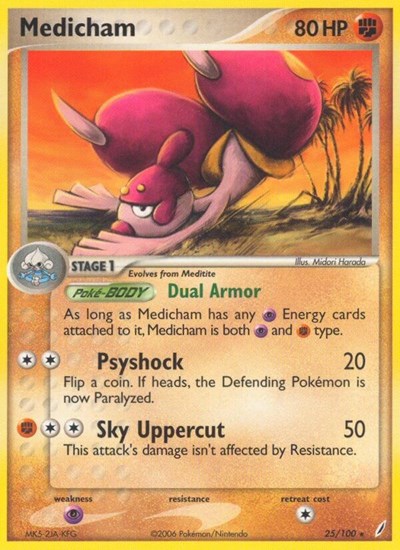
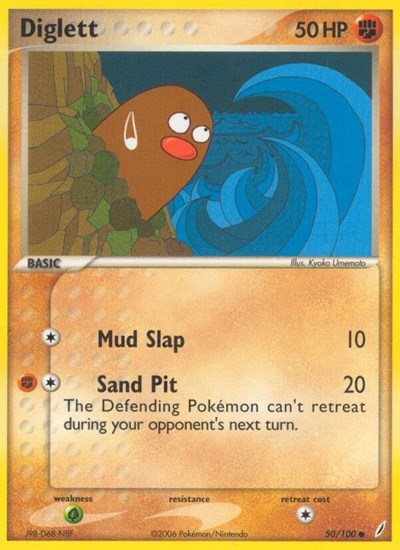
A name like “Charizard ex” matches dozens of cards. The set symbol and the number at the bottom of your card (for example 125/197) tell you which one you hold. Results show the set and number next to each match, most valuable first, so you can line them up with the card in your hand.
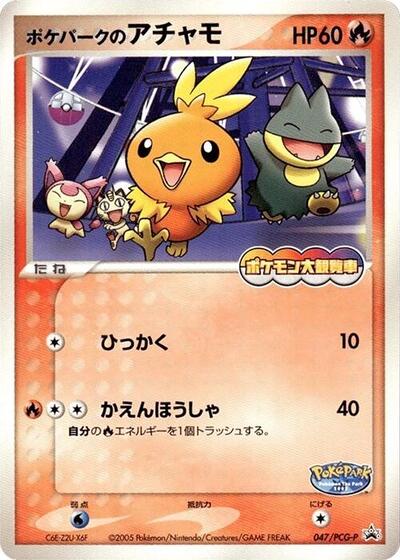
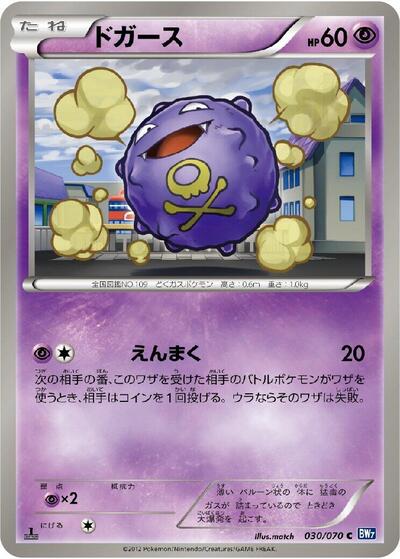
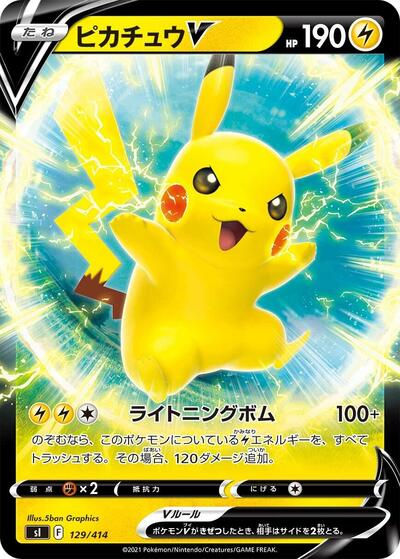
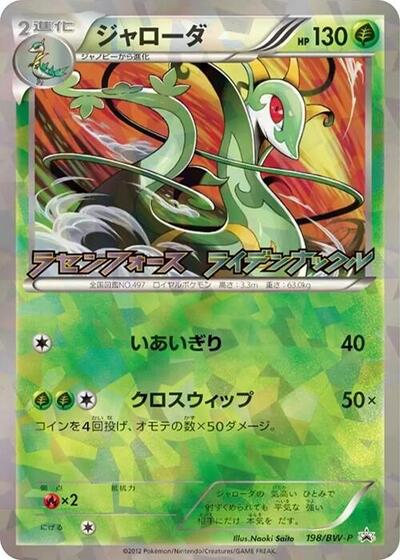
Japanese cards are included. Search the English name or the Japanese name printed on the card (for example ピカチュウ). Japanese sets are listed under their own set names and numbers, which differ from the English release.
Holo, reverse holo and special rarities
Most modern Pokémon cards exist as a regular print and a reverse holofoil, where the shine is on the card frame instead of the artwork. Older sets add 1st Edition and Unlimited prints. Each printing has its own market price, and the checker lists them separately.
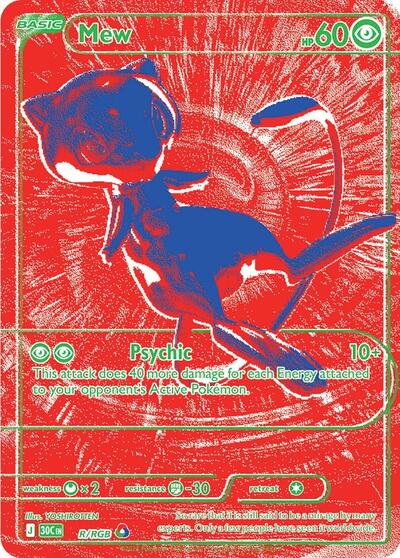
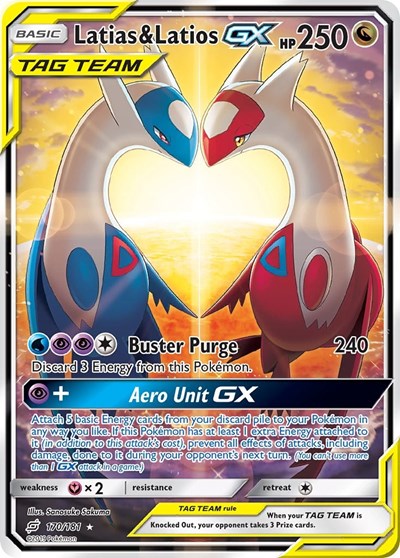
Big prices usually sit with the special rarities: Illustration Rares, Special Illustration Rares, Hyper Rares and the Mega Hyper Rares of the Mega Evolution era. If your card has full-bleed art or a textured, gold or rainbow finish, look for those rarities in the results.
Condition changes everything
Market price assumes a near-mint copy straight from the pack. Whitening on the edges, scratches on the holo or a bend can cut the price by half or more. A truly clean copy of a valuable card may be worth more graded; the grading calculator shows the math.